
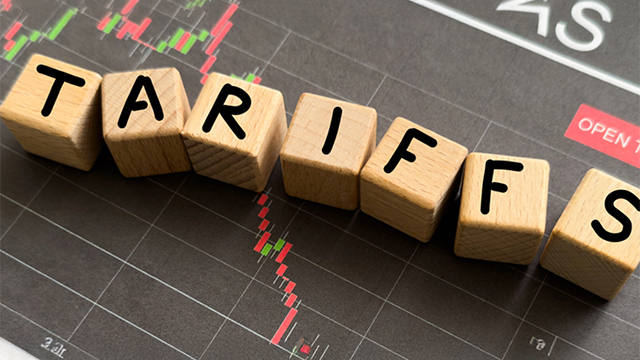
If you’re a young investor wondering why global trade policies should matter to your stock portfolio, you’re about to discover how these economic chess moves can either multiply your wealth or drain your savings account.
What Are Tariffs? (The Simple Version)
Think of tariffs as taxes on imported goods. When Country A imposes a tariff on products from Country B, it makes those products more expensive for consumers in Country A. It’s like adding a “foreign goods tax” that makes local alternatives suddenly look more attractive.
Real-world example
The US-India Tariff War: A Case Study
Let’s dive into a recent example that perfectly illustrates how tariffs ripple through stock markets. In 2025, trade tensions between the US and India created significant market volatility.
Here’s what happened: The US considered imposing additional tariffs on Indian IT services and pharmaceutical exports, while India threatened retaliatory tariffs on American technology imports.
The stock market reaction was swift:
- Stocks in the IT and pharma sectors drop after the U.S. imposes tariffs on Indian goods
- US tech companies with significant Indian operations faced similar pressure
- Currency fluctuations added another layer of complexity, affecting returns for global investors
How Tariffs Impact Your Stock Investments
1. Direct Industry Effects
Companies in tariff-targeted industries face immediate pressure:
- Higher costs: Import-dependent businesses see profit margins shrink
- Reduced competitiveness: Domestic alternatives suddenly become more attractive
- Supply chain disruption: Finding new suppliers takes time and money
2. Currency Volatility
Tariff announcements often trigger currency movements. A stronger rupee against the dollar might benefit Indian importers but hurt exporters’ stock prices.
3. Market Sentiment Shifts
Young investors often underestimate psychological factors. Tariff news creates uncertainty, leading to:
- Increased market volatility
- Flight to “safe haven” assets like gold
- Sectoral rotation as investors seek tariff-resistant opportunities
Smart Investment Strategies During Tariff Uncertainties
Diversification is Your Best Friend
Don’t put all your investments into export-heavy sectors. Spread across:
- Domestic consumption plays (retail, FMCG)
- Service sectors less affected by goods tariffs
- International markets through mutual funds
Focus on Quality Companies
Well-managed companies with strong balance sheets weather trade storms better. Look for:
- Companies with diversified geographic revenue
- Strong domestic market presence
- Healthy cash reserves (₹500+ crores for large-cap stocks)
Stay Informed, Not Overwhelmed
Follow trade news, but don’t panic-trade. Set up Google alerts for “India US trade” and “tariff impact stocks” to stay updated without doom-scrolling financial news all day.
The Bottom Line for Young Investors
Ready to build a tariff-resilient portfolio? At Amass Capital, we help young investors navigate complex global markets with strategies designed for long-term wealth creation. Our expert team has guided thousands of investors through such market volatilities.
Want personalized investment advice based on current global trade dynamics? Connect with our certified financial advisors today.
About the Author: This content is created by Amass Capital’s research team, combining over 15 years of market experience with a deep understanding of global trade impacts on Indian markets.
Disclaimer: This article is for educational purposes only and should not be considered as personalized investment advice. Please consult with qualified financial advisors before making investment decisions.

